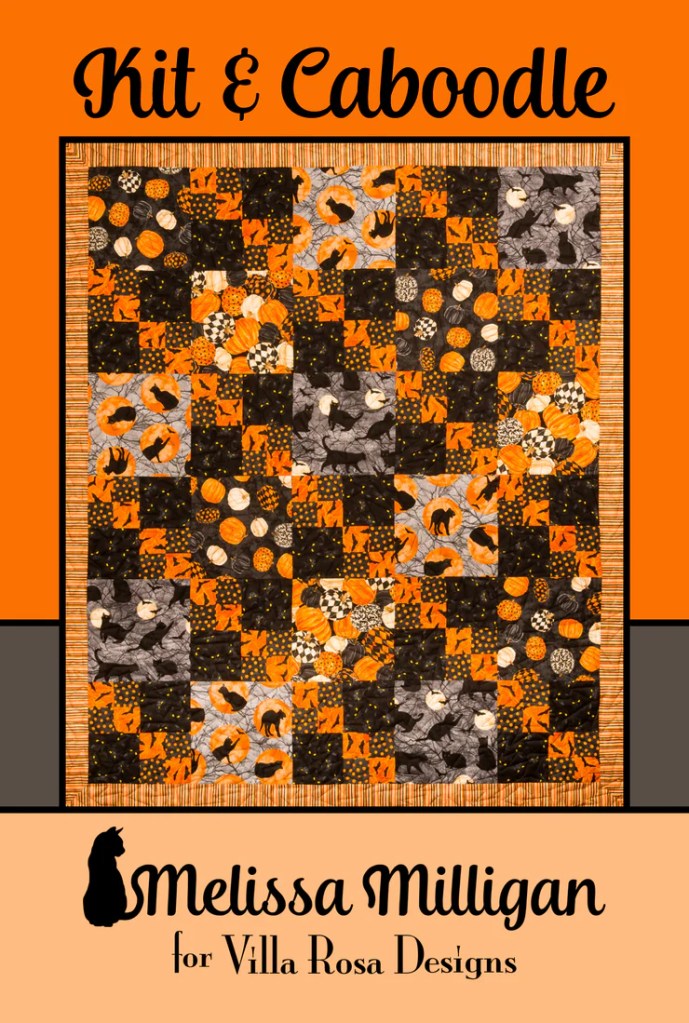
Quilting Partners · Rose Cards · villa rosa designs

Hanging Out With Hoffman California International Fabrics

Happy Thursday to you!

Hello Autumn! Here it is — the season I’ve been waiting for all year. I don’t really know what it is about autumn, though, that inspires me so much. The colors? The sounds? The smells? Warm days and cool nights? Sweaters and fuzzy socks? Hot tea and a little snack in the afternoon? Huh! I think it’s all of the above!

Image by moi

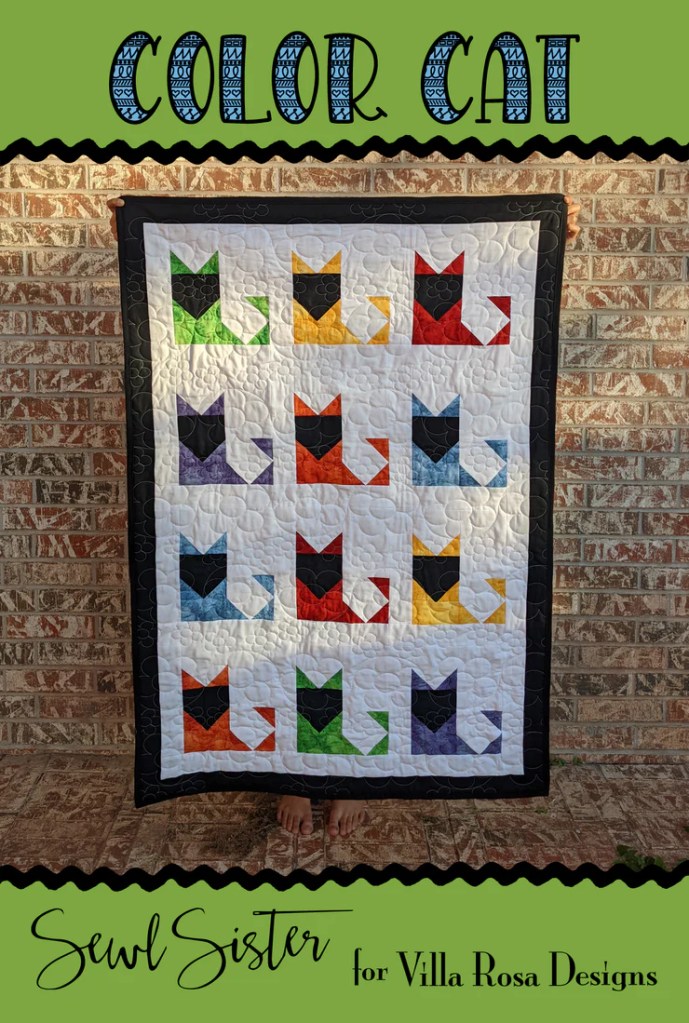
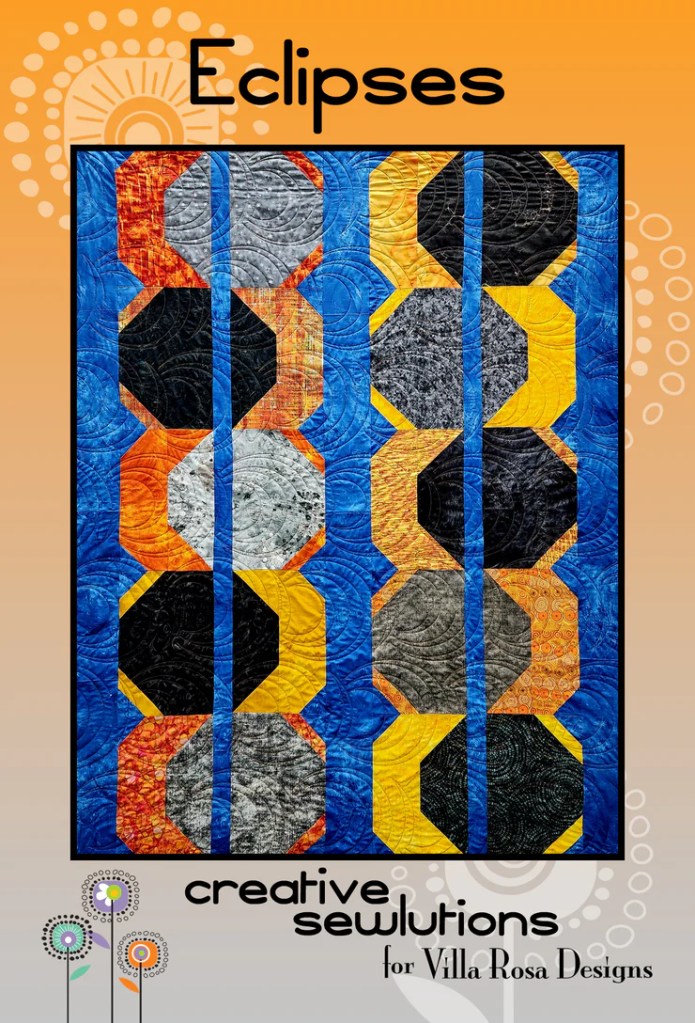
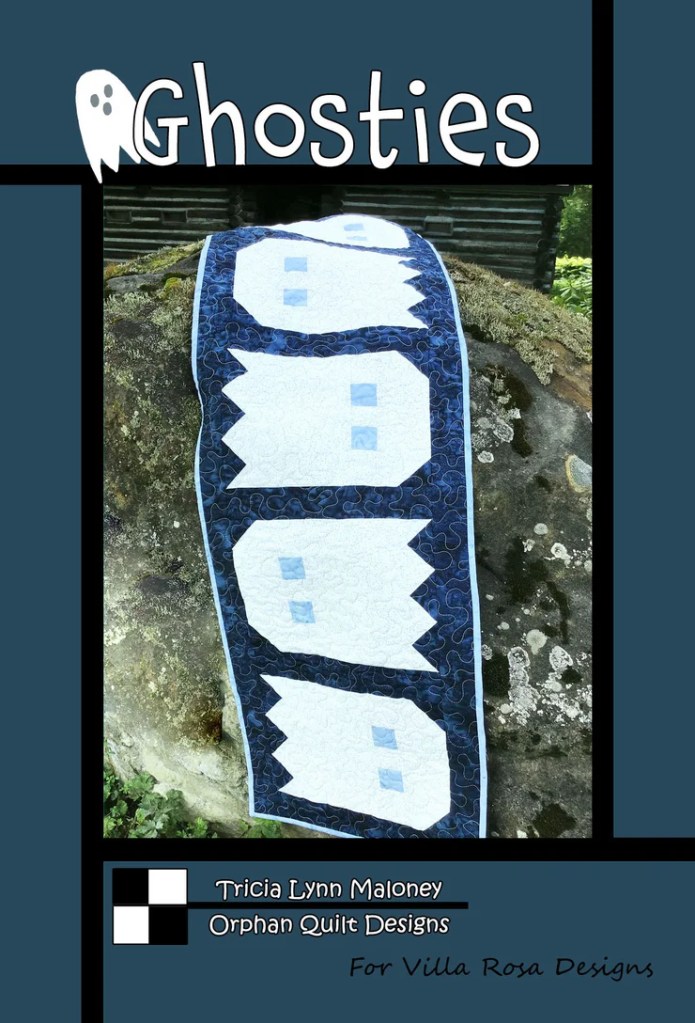
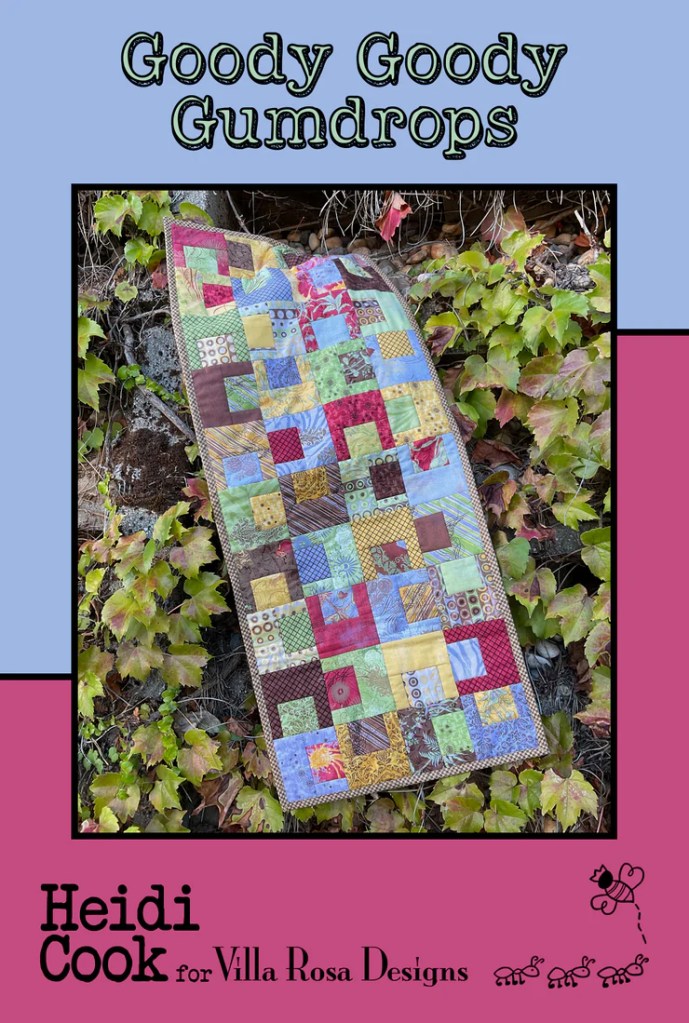
Many of you already know that Villa Rosa Designs partners with other companies in the quilt industry. You can see our quilting partners on the far right side of the blog (just click on the company to be directed to their website). Perhaps you’re wondering how that all came about? Well, the easiest and quickest answer to that question is that our wonderful fast and fun VRD Rose Card patterns pair beautifully with pretty much any fabric collection and we have patterns for just about any fabric cut or style. Rose Card patterns also provide a terrific way to feature and showcase new fabric collections because VRD patterns really are all about the fabrics, not fussy cutting or piecing. Yay, Rose Card patterns — you rock ! Want to check out our entire catalog of 650+ Rose Card patterns? Print Patterns HERE or Digital Patterns HERE

One of the really FUN things I get to do is work closely with fabric companies to match our patterns to their collections. If you’ve visited any fabric company websites recently to check out their newest fabric collections, you might have seen some of our Rose Card patterns hanging out there. How cool is that???

Hoffman California International Fabrics is one of the companies that we partner with. It’s really fun playing with digital fabrics in their new collections paired with our VRD Rose Card patterns. You know how a lot of quilters make quilts in their heads while others make quilts with fabric? I get to make quilts on a computer screen with digital files! Neat-o!

Did you know that Hoffman has been in business since 1924? Wowzer! That’s 100 YEARS!!! Imagine all the amazing fabrics they have produced in 100 years! It’s positively mind-boggling!

Let’s all sing Happy Birthday to Hoffman. On the count of 3 — 1…….2…..3! Sing! Happy Birthday to you…………..

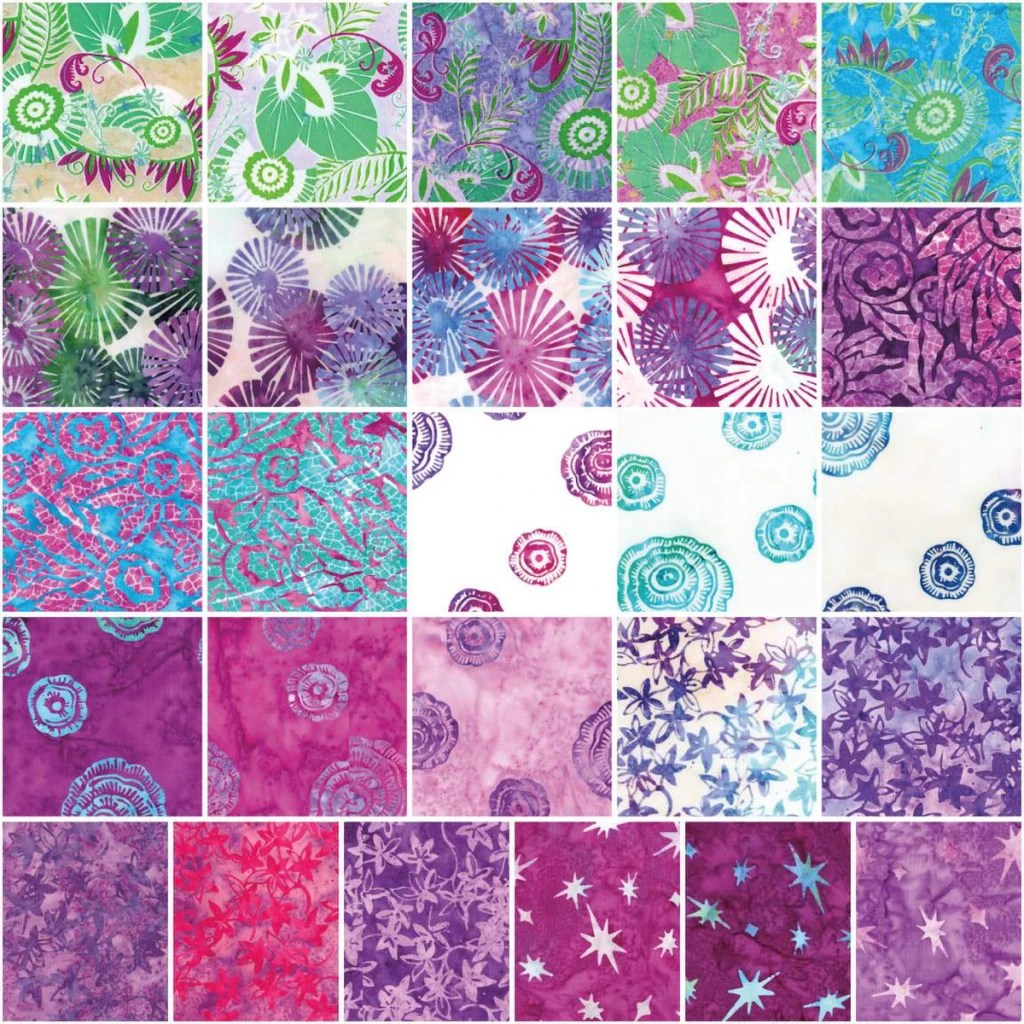
SPeaking of Hoffman, I LOVE using yummy Hoffman batiks and stunning digitally-printed fabrics for blog tutorials. One of my all-time favorite tutorials is Hillside Charm featuring the Wading with Water Lilies collection from a couple years ago. Do you have a favorite tutorial? If so, which one?

You can find the Hillside Charm print and digital patterns HERE. There are some pretty cool kits available too!

If you missed the Hillside Charm tutorial, you can find it HERE.

PSST! We still have a few Wading with Waterlilies fabrics at the VRD shop, including a couple panels! You can find them HERE.

I certainly hope everyone is in the mood for a little Fall inspiration today because I’m going to share some with you whether you’re ready or not! LOL! I’m really excited to share Hoffman’s Fall 2024 Project Catalog with you. It is literally HOT OF THE PRESS! I just saw it the other day and I totally knew I had to share it with you. Yep, it’s that good!

Take your time and enjoy flipping through the catalog. I guarantee you will find A LOT of inspiration here. Pay special attention to our VRD patterns in the catalog because you might just see some of them in the future as blog tutorials. Just sayin’………

I hope you enjoyed the catalog. Stay tuned for lots of exciting things coming soon, including new blog tutorials. Who doesn’t love tutorials???

That’s it for me this week.

Until next Thursday —

Always,

Tricia @VRD

decluttering · villa rosa designs

5 Decluttering Techniques For Your Quilting Studio / Sewing Room and Your Home

Happy Thursday to you!

I wasn’t planning to write another blog post about decluttering, but right now it’s a topic that is very much on my mind so I thought I’d delve a little deeper into it by exploring some of the more popular techniques. I’m sure there are lots more, but for today, we’re limiting ourselves to 5 of ’em.

Image by moi

To be honest, I didn’t get back to decluttering my studio this week, but I did clean off 3 bookshelves in my bedroom, condensing them down to 2 shelves after I removed books I wasn’t interested in reading anymore or found duplicates. Yay! Empty space! Not really, though, as I rehomed part of my Sasha doll collection on that empty shelf. Sigh…………

I was also inspired to clean off and organize the family movie collection in the living room. Again, I weeded out the duplicates and the movies we just aren’t into anymore. I was surprised that when I was done, I had weeded out 2 bags of movies! Rockin’ Awesome!

Guess what? I felt a real sense of accomplishment by doing those 2 little tasks. Now I just have to get back to decluttering my quilt studio, don’t I?

Speaking of decluttering, I hope you had a chance to read last week’s post. If you missed it, you can find it HERE.

Blog reader, Sherri, made this comment about last week’s blog post:

I have been working on a declutter challenge but missed several days of the 30 day challenge and was feeling a little bummed. Read your idea of a “job jar” and just turned the five minute items into some of the jobs. Added fun ones like make two blocks from a current quilt project and go outside for ten minutes. Mostly chores but it will be fun to pull and not know if it is a chore or a reward when I pull that piece of paper. Thank you for this lovely idea!!!!

Big shout out to Sherri for her SUPER idea to combine the Rewards Jar with the Job Jar in the same jar — LOVE IT! Sherri’s comment reminded me that there are so so many different approaches to decluttering. So this week, I thought we’d take a look at some of them together. Thanks for the inspiration, Sherri!

Sherri mentioned this one in her comment, so I thought it only fitting we take a look at it first. Perhaps the most popular decluttering method right now is The 30 Day Decluttering Challenge. But what exactly is it? Honestly, I’m a little confused about what it is because I’ve seen a couple different versions. Is it one or the other? Or both?

A 30 Day Purge

Each day of this 30 Day Challenge, you remove that number of items from your space. So on day 1, you remove 1 thing. On day 2, you take out 2 things. And so on until day 30 when you remove 30 items. If I did the math correctly, that’s like decluttering 465 items in one month. Wowzer! That would really make a dent in one’s decluttering project, wouldn’t it? This was the first version that I saw on Facebook and I was very intriqued by the concept, but I bet it’s a real challenge to gather up 30 items on day 30!

Here is more information and tips about this technique:

Modern Minimalism

Homes and Gardens

    Minimalist Home

    A Bite a Day

    Another version is that on each day of the 30 Day Challenge, you focus on a small task in a different part of your home (or studio). For example, on day 1, you clean out your coats. Then on day 2, you clean off the bathroom counter. On day 3, a different small task in a new area. The idea with this one is that you work on one specific task for a short amount of time every day of the challenge. 10 minutes? 20 minutes? I’ve seen several different time suggestions, but I also know you can of course tailor this to yourself (I promise, there really aren’t any decluttering police,,,,,,,,,).

    Hey! I think I started this challenge without even knowing it by tackling my bookshelves and the movies shelves! Wohoo! I am such a forward thinker, am I not???? Seriously, though, this idea is very similar to the Job Jar of last week’s post, but instead of writing tasks on a slip of paper and pulling one out, you are simply tackling one small task everyday.

    Here’s a few resources for this variation:

    Clutterbug (see below for a few books by Cas)

    bemorewithless

    Life SImplified

    I hope all of the resources above will help you understand the nuances of The 30 Day Challenge(s) and maybe they will help you to jumpstart your own decluttering adventure.

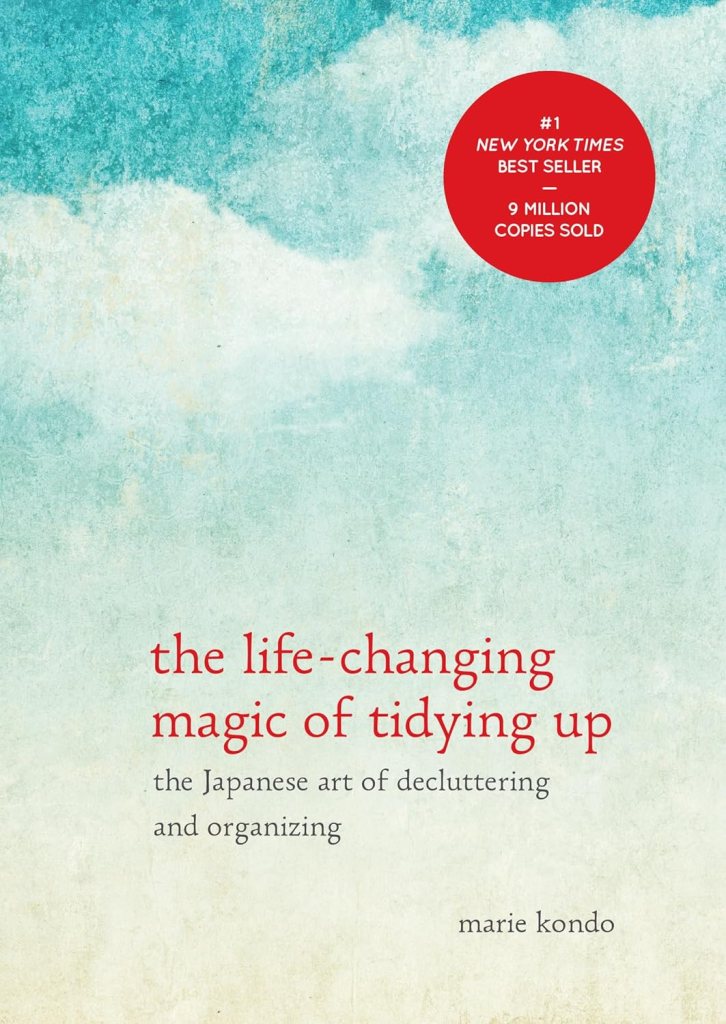
    By now most of you have at least heard of Marie Kondo and her “spark joy” method of decluttering, which is often called the KonMari Method. This popular decluttering technique focuses on keeping only items that “spark joy” and letting go of everything else. So, how exactly do you do the Kondo method?

    First things first, you will tackle your clutter by category instead of room-by-room. Start with clothes, move on to books, then papers, miscellaneous items (also known as komono), and finally sentimental items. This order will help you build decision-making skills along the way.

    When sorting through each category, hold each item in your hands and ask yourself if it sparks joy. If it doesn’t give you the warm fuzzies, thank it for its service and let it go. Once you’ve decided what stays and what goes, it’s time to organize what’s left.

    Marie Kondo wrote a best selling book that will guide you through the entire process.

    Get it HERE

    The 12-12-12 Challenge is a simple yet effective way to declutter your home and maybe have some fun while doing it. The idea is to find 12 items to throw away, 12 items to donate, and 12 items to return to their proper places. It’s amazing how quickly you can make a difference in your space with just this small effort!

    It’s a flexible way to go about organizing and decluttering your spaces because once you complete the 12-12-12 cycle, then you simply repeat it until you achieve the level of organization you are looking for and you can take as little or as much time as you need. It’s also a feel-good win-win experience as you are donating items you no longer need or want to local charities in order to help others in your community.

    Here are some great resources to help you:

    E-ZCleanUp

    LIFEHACKER

    If you’re feeling overwhelmed by clutter and don’t know where to start, the 20/20/20 decluttering challenge might just be your new best friend. So, how does it work? It’s super simple and totally doable for anyone.

    Here’s the deal: You spend 20 minutes decluttering, pick 20 items to either throw away or donate, and do this for 20 days straight. That’s it! The idea is to break down the daunting task of decluttering into bite-sized chunks that are easy to manage.

    The beauty of this challenge is its flexibility. You can choose any part of your home each day—whether it’s your closet, kitchen drawers, or even your scary junk drawer. By dedicating just a small amount of time every day, you’ll start seeing big results without feeling like you are taking on an impossible mission.

    A few resources to get you started:

    The Minimalists

    Minimalist Home

    The 10-10-100 Rule might just be the one you’ve been looking for if you are a procrastinator or don’t know where to start.

    Like the other rules and challenges we’ve discussed, this one is also pretty simple — you focus on one specific spot in a larger space, like a particularly messy corner. The idea is that you declutter in 10 minute intervals to find 10 things to remove from the space (trash, donation items, items to sell, or even just items that need put back where they go). This is a very flexible technique because you don’t have to do 100 items all in one day – you can spread it out as long as you keep working towards that 100 item goal. Of course, your 10 minutes could be longer or shorter, say 20-10-100 or 5-10-50. The real purpose is that you get up, lose your paralysis, and get decluttering.

    Of course, I’ve got a few more resources for you:

    Bobby Berk

    Livingetc

    I hope learning a little bit more about these 5 decluttering techniques will give you inspiration to work through your own clutter if you struggle with too much stuff like I do. Of course, there is nothing that says you can’t combine and/or modify any of these techniques to better suit you and your individual needs.

    Please remember that one technique, rule, or challenge will NOT fit absolutely everyone. You may need to try several different ones before you discover the one(s) that work for you. It’s not failing if a techniques doesn’t work for you, so try again. Instead of failure, look at it as trying to find the right fit for decluttering and keeping your spaces organized. It’s a truth universally acknowledged that having a clutter-free organized space is much healthier and happier than living with the unnecessary extra stress and anxiety of a perpetual mess.

    Since I’m such a book geek, I’m going to add a short list of great books to help you on your decluttering adventure! I chose these books because of their popularity and, of course, several of them are currently waiting for me to read them, too.

    Get it HERE

    Get it HERE

    Get it HERE

    Version 1.0.0

    Get it HERE

    Get it HERE

    Well, that’s it for me. I feel the need to get back to decluttering and organize something! LOL!

    Take care until next time —

    Always,

    Tricia @VRD

    Rose Cards · Tips and Tricks · villa rosa designs

    NEW September Villa Rosa Designs Rose Card Quilt Patterns and a Spot of Decluttering in My Studio

    Happy Thursday to you!

    I love September and the approaching autumn season! It’s such a refreshing time of year. This summer was certainly one of the hottest on record here in northwestern PA. Wow! Then it was Labor Day and suddenly the weather turned very fall-like.

    It reminded me of when I was a kid going back to school the first week of September, wearing my crisp new school clothes — sweaters, jeans, long sleeve tops, new school shoes, not like the shorts and tees of today.

    Speaking of inspiration, today is the Thursday after the first Friday of the month and you know what that means — NEW PATTERNS. YAY!

    Drum roll please………

    And here they are!

    Get the print collection HERE

    (Sorry, the collection isn’t offered as a digital set, but the patterns are available as digital downloads individually, below)

    Good as Gold

    Pavers

    Ric Rac Roll

    Roam

    Stuffing

    Aren’t they fun??? Our designers never disappoint, do they? There’s definitely something for everyone here with a new panel pattern (Good for Gold), several fat quarter patterns (Roam, Stuffing, Pavers [can also use 10″ squares]), and a 2 1/2″ strip pattern (Ric Rac Roll). We’ve got traditional and modern. Sizes range from smaller throws to a large twin-sized bed quilt (Ric Rac Roll).

    But wait! There’s more!

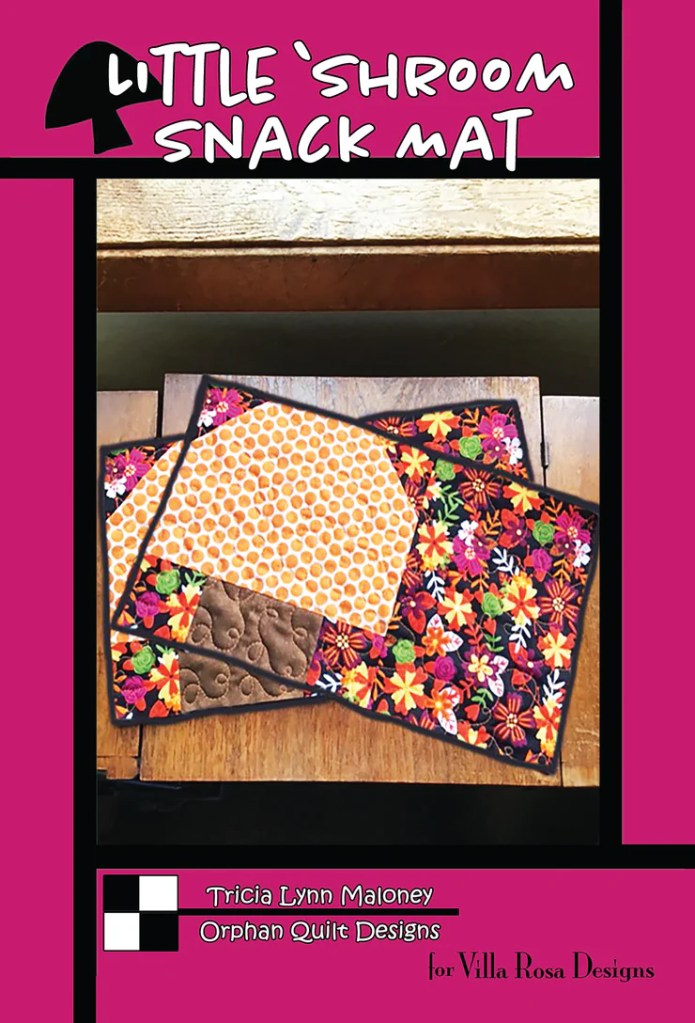
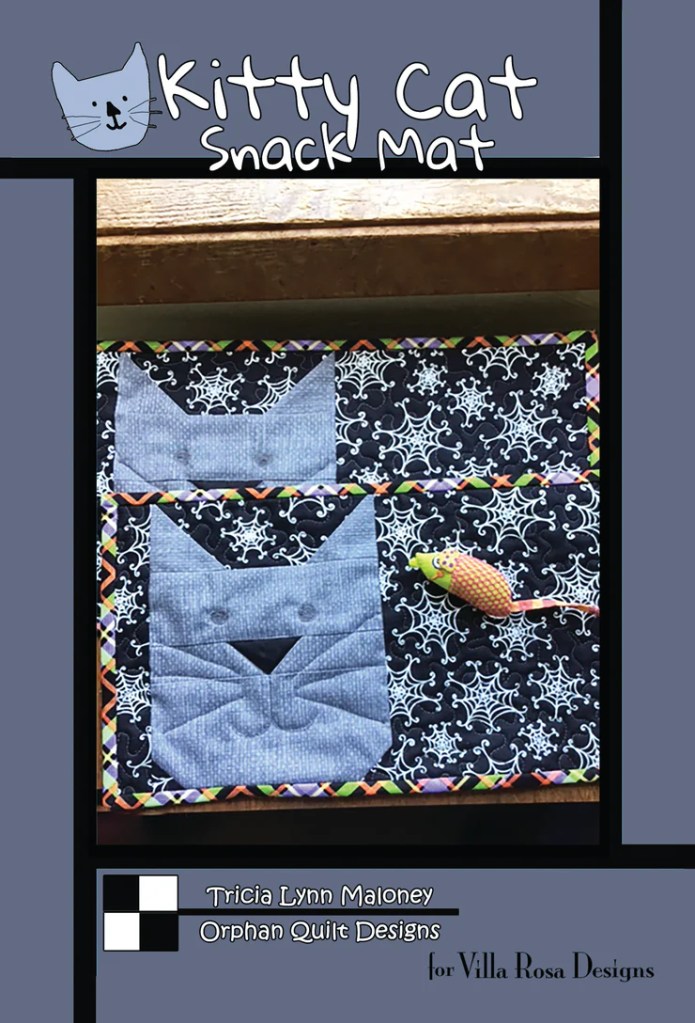
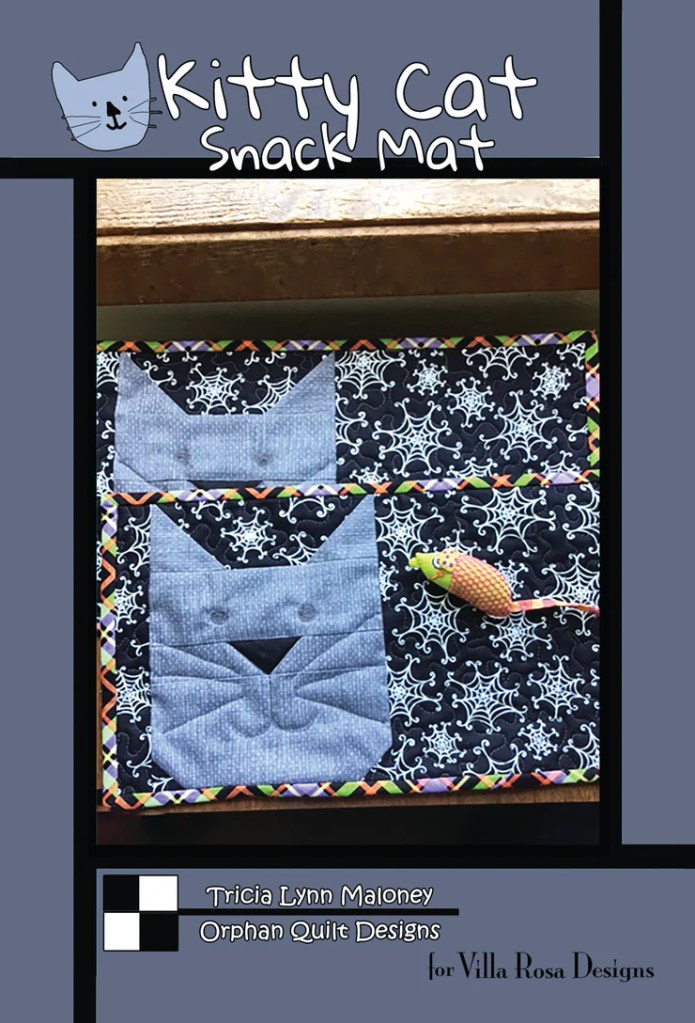
    Check out this month’s table runner and snack mat.

    Get the print pattern HERE

    Get the digital pattern HERE

    Get the print pattern HERE

    Get the digital pattern HERE

    By now you’ve most likely noticed how much I love to create seasonal patterns. You see, I have this goal to someday have my seasonal decorating organized into storage crates — one for each season/holiday. Then I can just grab the right crate for the season/holiday and add my decorative touches like quilted pillow covers, table runners, wall quilts, throws, etc. How close am I to achieving this goal? Not even close (eye roll here). But it’s important to have goals, isn’t it?

    Speaking of Snack Mats, have you picked up on my evil nefarious plan yet??? Yep, my plan is to create a different Snack Mat for each month of the year. So far I’ve created 7 Snack Mat patterns, so that means I’ve got 5 more to go in order to have a full year of Snack Mats. And, yes, I’ll be adding these to my seasonal/holiday crates as well.

    All of the Snack Mats finish at a generous 8″ x 14″, which makes the perfect landing spot for your mug of coffee/tea/cocoa and a little something yummy on the side. And at 8″ x 14″, they do double duty as a small place mat. When I worked at my local small town public library for 11 years, I ate lunch (or dinner) at my desk most of the time. It would have been super fun to pull out a new seasonal mini place mat (Snack Mat) for my desk every month to make my meal at work a little more special, even if it was leftovers from the day before. Snack Mats also make great gifts for yourself or for someone else. You can find all of the Snack Mats to date right HERE.

    Now that you are super hyped about our NEW September patterns, grab ’em all and get started with your new makes because September is a great month to get back to quilting.

    As I mentioned earlier, I am feeling so much more inspired as autumn is only about 10 days away. Ever since I bought my new-to-me sewing table back in July, I haven’t been able to get back into the cleaning and organizing groove. Of course, the need to declutter and clean wasn’t just because of my new table, it’s been an ongoing project. In fact, I started 2024 off by having a goal to get my spaces cleaned and organized. Truthfully, I haven’t made much progress.

    Over the weekend I was lamenting to my pal, Mary Lee (Hey Mary Lee!), that my spaces are such a disaster and that I really want to dive back into getting my space shipshape. In truth, I basically feel paralyzed because there’s so much that needs done, there’s only one me, and I feel so completely overwhelmed. I just don’t know where to begin.

    Mary Lee, in all her wisdom (she is a retired children’s librarian, after all, so I suspect she knows everything!) shared some great ideas, so I thought I’d share them with you.

    Think Small

    Utilize small pockets of time to do smaller tasks. You will be amazed at how much you will get done by focusing on the small things.

    Break Big Jobs into Small Bites

    Instead of cleaning the whole bookcase, clean one shelf off at a time until you complete the entire big task. Instead of tackling an entire room, start with one corner. So, basically, stop looking at the whole overwhelming paralyzing picture and focus on smaller manageable pieces.

    Institute a Job Jar

    This goes right along with the previous suggestions of breaking things into smaller chunks except this time, you write the smaller chunks onto slips of paper and put them in a jar. For example, write “clean off one book shelf” on a slip of paper, fold it in half and pop it into the jar. Add other smaller chunks, too, like “clean the cobwebs from the corners of a room”, “Empty and clean out one drawer”, “pull 5 things out of the closet you don’t wear anymore,” or whatever works for you.

    Mary Lee explained that you pull a slip of paper out of the jar and then you do that specific task – “clean off one book shelf,” for example. Once you complete that specific task, you can put the slip back in the jar (if there is more of the same specific task to do), toss the paper slip if it’s complete, or repeat the task if you’re still into it.

    The key is, though, that you do not choose another slip of paper (or take on another project), until you have completed the task on the slip of paper you pulled out. You can repeat that task as many times as you want/need or put the slip of paper back into the jar and pull out another one. If you keep taking small bites of those big overwhelming projects, eventually you’ll get that big project done.

    Mary Lee’s ideas really resonated with me so on Sunday night, I decided to tackle a corner of my studio. I started with a pile of fabric on top of an open plastic crate. The fabrics were from several recent projects, so I organized and rehomed them elsewhere. When I finally reached the crate itself, I was happy to see it was half-filled with vintage fabric, blocks, and a quilt in the bottom (these were some of my more recent vintage textile finds and I guess I forgot about them as the crate got buried). I found the matching lid to the crate, tucked more vintage blocks and fabrics inside (I spied these over on top of my cutting table) and closed it up.

    Here’s a peak inside my crate of vintage blocks and fabrics.

    Then I moved onto a pile of fabric and totes sitting on top of a cardboard box next to the vintage goody crate. I organized the fabrics and cleaned out the totes, throwing away a bunch of old papers and handouts from quilt classes I taught years ago. Fabrics were then organized into appropriate places, including a box for gifting and another I’ll call my bye bye box.

    But I didn’t stop there. Once the pile was gone, I finally had access to a drawer unit I haven’t seen for a while. The top drawer had Halloween and fall fabrics, some old quilt kits from 2008 as well as miscellaneous fabrics. I happily surprised myself by emptying about half of the drawer. Some of the fabrics went into my fabric cubes (organized by color) while the rest went into my bye bye box (or should I say on top of my bye bye box as it’s overfull now).

    These are my fabric storage cubes. I have 50 cubes in 2 units which cover the entire back wall of my studio. I am aiming to do the same thing with the opposite wall, but right now that wall is used as a pantry, so I’ve got work ahead of myself to tackle that project, too. Hello Job Jar!!!

    I still wasn’t quite done yet, so I tackled the bottom drawer, too. That bottom drawer stopped me in my tracks. It was pretty smelly and such from being closed up with no air circulation behind the cardboard box with the totes and fabric on top. Methinks everything in this drawer needs a good washing.

    All in all, not too shabby for a couple hours work.

    On Monday, I washed and dried all the fabrics from the bottom drawer and spent the evening untangling the big mess from the dryer — talk about strings! After everything was folded, I sorted these fabrics too, some went into my panels cube while others went into color cubes. I found some fun stuff in that bottom drawer — 4 fabrics from a Cranston Elvis Blue Hawaii collection from way back when. Cool! A military panel I designed as a freelance designer for a fabric company a long time ago. There was Christmas fabric, too. What I didn’t love went into my bye bye box (or actually on top of it).

    I haven’t gotten back to my corner clean up since Monday, but I plan to start getting my tasks written onto slips of paper and put into my very own Job Jar so I can start tackling the big jobs bit by bit.

    I’m thinking about making myself a Reward Jar, too. I’d better not include any trips to the quilt shop to add more fabric, though. LOL! Maybe my Reward Jar will just have chocolate……

    Well, that’s it for me this week. Wish me luck as I tackle my clutter one bite at a time.

    Until next week –-

    Always,

    Tricia @VRD

    Frugal Quilting · Tips and Tricks · villa rosa designs

    Quilting on a Budget: Thrifty Tips and Tricks for Fabulous Frugal Quilts

    Happy Thursday to you!

    I just got back from the grocery store – yikes, I cringe every time I go! Don’t you? The prices on everything just keep going up and up. And the more we quilters spend on groceries and such, the less we have to spend on our quilting passion. The good news is that we quilters have A LOT of different options available to help us for creating quilts. So, I thought, today would be a great day to talk about ways to get more bang for our buck when it comes to quilting.

    Here’s you’ll find a useful list of ideas and inspirations to explore that go easy on your pocket, giving you a little bit more for a little bit less.

    Buckle up! And let’s get started!

    Our newest patterns for August

    Ha! You knew I was going to start off with this one, didn’t you? Of course, I am a huge fan and advocate of Villa Rosa patterns! They are inexpensive in price but big on style and quality! We have a wonderfully talented group of designers creating new patterns for you every month! That’s more than 60 new patterns a year. Nobody else in the world does that. Why do we do it? We do it for YOU! We’re quilters and fabric lovers, too, and we love to share our style and vision with you. From traditional to modern, from small projects to big bed quilts, we’ve got it all.

    If you’re new to Villa Rosa, you can find our catalog of over 650 print patterns HERE or our digital pattern catalog HERE. We also offer tons of kits, fabrics, bundles, and more on our website, Villa Rosa Designs. Sign up for our newsletter and be the first to know what’s up with Villa Rosa, including our new patterns every month as well as markdowns on kits and fabric, and much much more. You can sign up for the Villa Rosa newsletter HERE.

    Let us help stretch your dollar with $2 Rose Card patterns, sale kits and fabrics, AND free shipping on all orders in the US!

    Image created by Moi

    Let’s face it, quilting can be a pricey hobby, but that doesn’t mean we can’t create stunning quilts without breaking the bank. Being a frugal quilter isn’t about cutting corners — it’s about getting creative and being resourceful!

    Here are some GREAT reasons why budget-friendly quilting totally rocks:

    • More quilts, less guilt – When you spend less on materials, you can make more quilts without feeling guilty about the cost. It’s a win-win!
    • Upcycling magic – You can turn old clothes, bedsheets, or curtains into quilt masterpieces. It’s eco-friendly and gives new life to forgotten fabrics.
    • Scrappy happiness – You can embrace the charm of scrappy quilts. Use up those fabric bits and pieces and create unique, colorful designs.
    • Thrift store treasures – Let’s head out to scavenge secondhand shops for fabric finds. You never know what gems you’ll discover at bargain prices.
    • DIY tools – Think outside the box and make your own quilting tools. From DIY design walls to homemade templates, save cash and flex your creative muscles.
    • Skill-building focus – When we’re not splurging on fancy materials, we can concentrate on honing our quilting techniques. It’s all about the craftsmanship, not the price tag!
    • Community swaps – Go ahead and join local quilting groups or online communities for fabric swaps. Trade your extras for new-to-you fabrics and make new quilting buddies in the process.
    • Sales savvy – You can become a pro at spotting deals. Sign up for newsletters, follow quilting shops on social media, and pounce on those clearance sales like the quilt boss you are!
    • Piecing perfection – Challenge yourself to create intricate designs using simple shapes. It’s about the design, not how much you spent.
    • Stash-busting satisfaction – Use what you have before buying more. You might just be surprised – beautiful quilts can emerge from your existing fabric stash.
      Image created by Moi

      Some of the best places to score inexpensive fabrics are at estate sales, garage sales, flea markets and the like. You never know what you will find. Keep in mind that the hunt can be just as rewarding and as fun as the actual find. Just be prepared to dig through boxes in search of those fabric treasures!

      Don’t forget about remnant bins at the big box stores. These are usually filled with odd-sized pieces of fabric at rock-bottom prices. Perfect for smaller projects.

      Another hidden gem is Facebook Marketplace. Lots of people sell their unused fabric stashes there, often in bulk and for a fraction of the original cost. Just be sure to ask about any pet or smoke odors before buying.

      For quilting supplies, keep an eye out for going-out-of-business sales at local craft stores. It’s sad to see shops close, but you can snag some amazing deals on everything from rotary cutters to batting.

      Lastly, don’t underestimate the power of coupons and loyalty programs at major craft retailers. Stack those discounts and you could walk away with a cart full of fabric for pennies on the dollar!

      If you’re into upcycling, thrift stores can be a goldmine for inexpensive fabric options. Look for oversized clothing, curtains, or bedsheets that can be repurposed. You might find some unique patterns or high-quality materials for a fraction of the cost.

      Check out online fabric warehouses. These sites often have clearance sections with deeply discounted fabrics. Just be sure to factor in shipping costs when comparing prices.

      For those who don’t mind waiting, seasonal sales can offer huge savings. Many fabric stores have end-of-season clearances where you can stock up on holiday prints or summer cottons at bargain prices.

      If you’re feeling adventurous, maybe you want to check out online auctions like eBay and/or in-person live auctions in your local area. Remember to practice buyer beware and ask questions, examine contents and/or photos closely, and read descriptions carefully before bidding.

      What about joining a local sewing or quilting group? Members often swap fabrics or sell their excess stash at meetings. My guild has a free table. I’ve fund some wonderful goodies on that table over the years. Just sayin’……….

      Image created by Moi

      Got some old clothes lying around? Don’t toss ’em just yet! Let’s explore some awesome ways to breathe new life into those forgotten fabrics.

      Denim jackets and jeans make killer quilt squares – those pockets are perfect for hiding little surprises. And how about those vintage printed tees? Add some interfacing, slice ’em up, and piece them together into a cozy memory quilt that’ll have you reliving the good ol’ days. But why stop there? Raid your closet for silk scarves, funky ties, or even those ugly Christmas sweaters. Don’t be afraid to mix and match textures for a quilt that’s as unique as you are. As an added tip – cotton bedsheets can make great quilt backings.

      It’s all about getting creative and having fun. So grab those scissors, fire up that sewing machine, and turn your fabric graveyard into a quilting paradise. Who knows? Your next masterpiece might be hiding in that pile of clothes you were about to get rid of!

      You can also add some pizzazz to your quilts with embellishments. Those spare buttons you’ve been hoarding? Perfect for adding texture and sparkle. And don’t forget about zippers – they can create cool, interactive elements on your quilt. Got some old jewelry lying around? Stitch on some beads or sequins for extra bling. Speaking of stitching (hand or machine), why not experiment with different patterns? Try some funky zigzags or swirls to really make your quilt pop. And if you’re feeling extra adventurous, throw in some applique. Cut out shapes from contrasting fabrics and layer them on top for a cool 3D effect.

      Don’t stress if it’s not perfect. The beauty of upcycling is in the imperfections. Each wonky stitch tells a story, so go ahead – celebrate the quirks and let your personality shine through.

      Image created by Moi

      Get ready to unleash your inner crafty genius and save some serious cash with these awesome DIY quilting tools! Who says you need to break the bank for fancy equipment? Here’s the lowdown on creating your own quilting supplies that’ll make your wallet happy and your projects pop.

      Want a portable design wall? No problem! Slap some flannel onto a foam board, and you’re good to go. Or how about my favorite – a big flannel-backed table cloth hung on the wall?

      Maybe some nifty fabric weights made from washers and pretty fabric scraps?

      Or a homemade spray baste using simple ingredients you probably have on hand plus a little rubbing alcohol (or vodka if you prefer).

      Next on our DIY list is a genius trick for making your own quilting clips. Just grab some binder clips and hot glue some felt to the edges – voila! You’ve got gentle, fabric-friendly clips that won’t break the bank.

      What about the magic of a homemade seam pressing stick? A dowel rod, some batting, and muslin are all you need to create this handy tool for pressing those tricky seams.

      These DIY solutions are not only easy on the wallet but also give you the satisfaction of making something useful and unique. So, roll up your sleeves, channel your inner MacGyver, and get ready to revolutionize your quilting corner. Who knew being frugal could be so much fun?

      Image created by Moi

      Let’s check out the world of scrap-tastic quilting! Who needs to buy new fabric every time you start every new project when you’ve got a treasure trove of scraps just waiting to be transformed? Sort those scraps by color and size first – trust me, it’ll save you tons of time later. Got leftover binding strips? Perfect for creating a scrappy binding that’ll give your quilt a fun, eclectic edge. Why not try your hand at improv piecing? It’s like jazz for quilters – no rules, just vibes! For larger scraps, consider whipping up some foundation paper piecing blocks. It’s a great way to use up odd shapes and create intricate designs without losing your mind. What about string quilts – they’re like the ultimate scrap-busting project? Grab your long, skinny strips and go to town!

      But wait, there’s definitely more to scrap magic than just quilts. Turn those fabric bits into cute accessories like scrunchies, headbands, or even a patchwork tote bag. Your scraps will thank you, and your wallet will do a happy dance. Grab that overflowing scrap bin and get creative!

      Don’t forget about those teeny-tiny leftover scraps either. They’re perfect for stuffing pet beds (no thread or needles/pins, please) or making eco-friendly confetti for your next party.

      If you’re really drowning in scraps, maybe you should host a swap with your quilty friends. One quilter’s trash is another’s treasure, after all!

      The key to successful scrap quilting is embracing the chaos. Mix patterns, colors, and textures with wild abandon – that’s where the magic happens! And if you’re feeling really adventurous, why not challenge yourself to a scrappy quilt-along? It’s a great way to connect with other fabric hoarders, ahem, quilters, and get inspired by their creations.

      Speaking of treasures, keep an eye out for vintage fabrics at thrift stores or yard sales. They can add a unique and special touch to your scrap projects and give new life to forgotten textiles. And hey, if all else fails, you can always use your scraps to practice your free-motion quilting. Who cares if it’s not perfect? It’s all about the journey, right?

      Alright, people, we’ve reached the end of our thrifty quilting journey so you can unbuckle your seat belts now!

      Who knew you could create such stunning masterpieces without breaking the bank? By now, you’re probably itching to dive into your stash of fabric scraps and start piecing together your next budget-friendly quilt.

      Quilting on a shoestring isn’t just about saving money – it’s about unleashing your creativity and making the most of what you’ve got. So, enjoy those wrinkled mismatched fabrics, repurpose those old clothes, and let your imagination run wild! Whether you’re a seasoned quilter or just starting out, these money-saving tips and tricks will help you keep your hobby alive without emptying your wallet. And hey, think of all the extra cash you’ll have for, I don’t know, more fabric? Uh huh…….

      Don’t forget that thrifty quilting is also eco-friendly quilting. By repurposing fabrics and using what you have, you’re reducing waste and giving new life to materials that might otherwise end up in landfills. Pat yourself on the back for being both budget-conscious and environmentally savvy!

      Lastly, don’t be afraid to experiment with unconventional materials. That old curtain with an interesting pattern? Perfect for backing! Those worn-out jeans? They’ll make a sturdy, unique quilt top. The possibilities are endless when you look at the world through a quilter’s thrifty lens.

      So go ahead, raid Grandma’s closet, hit up those yard sales, and get ready to stitch up a storm. Your wallet – and your creativity – will thank you for it.

      Please feel free to comment with your own frugal and thrifty quilting tips!

      That’s it for me this week. I’m off to play with my own fabric scraps to see what I an create.

      Until next week –

      Always,

      Tricia @VRD

      Rose Cards · Tips and Tricks · Tutorials · villa rosa designs

      VRD Discovery Quilt Tutorial and 8 Tips for Photographing Your Quilts

      Happy Thursday to you!

      Do you have any big plans for Labor Day weekend, the unofficial end to summer? I don’t, I’m just hoping to get a little sewing in. LOL! For me, sewing and quilting are a vacation. Of course, I just had my lovely visit to Colton’s Point last week (if you missed my blog post about Colton’s Point, you can find it HERE) and I’m still feeling the positive vibes from my trip which is why I just want to sew, sew, sew.

      Last week I promised you one final Summer Quilt Tutorial, so read on. After the tutorial, let me share some tips for photographing your own quilts.

      I’ve been wanting to make Discovery for a long time now, but I just haven’t picked out my fabrics and made it yet So, when I found these adorable fall fat quarters, I couldn’t resist — Discovery it was. In fact, I gave a set of these cute fat quarters to each of my friends, Cathey and Leslie, along with the the Discovery pattern and chocolate, of course. I was hoping they might be inspired to make their Discovery quilts, too, but alas, Cathey and Leslie each had their own projects to work on.

      I have found the Discovery pattern really lends itself to novelties and large print fabrics. I’ll bet you have large prints as well as novelties that you have no idea what to do with and you just don’t want to cut them up, losing the fabric design. I feel your pain. I have tons of these fabrics lurking amongst my overloaded shelves, as well. But we are in luck because the Discovery patterns welcomes these hard-to-please novelties and large prints.

      If you haven’t added Discovery to your VRD Rose Card collection yet, you really should. It’s a very versatile size at 44×62 which can be used as a baby quilt, a large wall quilt, or even a lap quilt. If you want it bigger, simply add more borders. Did I mention that this quilt almost sews itself together? It truly is that fast!

      Get your print Discovery HERE or your digital Discovery HERE.

      So, let’s get started on our tutorial for today!

      Here are my cute fall fabrics, as you can see most of them are novelties and several are large prints. I chose to use a light gold tonal straight out of my stash. I just LOVE LOVE LOVE the plaid and the teal forest animal print is adorable.

      I challenge you to make your own Discovery quilt right out of your stash, too, and then to share it on our VRD Facebook group.

      The first thing to do is decide where you want each fabric to live in the quilt. I suggest choosing your favorite for the center and working your way from there.

      The second thing, of course, is to cut out all of the pieces. The cutting for this quilt is surprisingly quick with such large pieces. I do suggest you make sure your fabrics are laid out according to the pattern and that you double check the measurements before you cut. Speaking from my own experience (which I did not photograph, sorry), if you make a cutting mistake, you’ll probably have to substitute a different fabric or piece some scraps together (which I ended up doing).

      You know the saying, “measurement twice and cut once”? It applies just as much to quilting as it does woodworking.

      All right, moving on. Let’s sew background strips to the sides of the center square. I pressed my seams towards the background fabric.

      Yep, you knew I was going to pick the teal forest animal print for the center, didn’t you?

      Now sew rectangles to each side of the center unit. I pressed the seams towards the background strips.

      Of course it was going to be the plaid! Was there any doubt in your mind?

      Huh. I really like how this is already looking — the plaid is just too fun and the teal forest animal print is really cute.

      Next let’s sew background strips to the top and bottom of the unit. Again, I pressed the seams towards the background strips.

      This is going really fast, isn’t it?

      I chose similar-feeling fabrics for the top and bottom rows in the hopes of balancing the quilt. Do likewise if you want, but don’t be afraid to mix things up.

      Sew 3 background strips between the 4 small squares. Make one row for the top and one for the bottom of your center unit. I pressed my seams towards the background strips.

      Sew a pieced square strip to the top and the other one to the bottom of the quilt center.

      Then sew the pieced rows to the top/bottom of the quilt center. Of course, I pressed my seams towards the background strips.

      Sew background strips to the top and bottom of the quilt center and press the seams towards the background strips.

      Sew a background strip between 2 matching rectangles. I pressed my seams towards the background fabric.

      Make one pieced rectangle row for the top and one for the bottom of the quilt center.

      Decide which pieced rectangle row will go on the top and which one on the bottom. Then sew the pieced rectangle rows to the quilt center, pressing your seams towards the background strips.

      I hardly broke a sweat sewing this together so far. How about you? Can you believe how fast the center of the quilt came together?

      Now let’s add some borders. Go ahead and sew the top and bottom borders on first and press the seams towards the background strip.

      Then add the side borders. You will need to piece your strips so you have the right length.

      Sew the borders to the sides of your quilt and —

      VOILA!

      Top done! Lickety Split! Just like that!

      I just love how my Discovery quilt top turned out! It’s really fun. And really cute with those whimsical fall fabrics. I’m thinking maybe a teal binding to finish it off after I quilt it. Or maybe orange? What do you think?

      Here’s a photo of my Discovery quilt top down on the pier on the Potomac at Colton’s Point. It was a little breezy and my quilt top just wouldn’t stay still. If it had been a completed quilt, it probably wouldn’t have been fluttering around while I tried to take a photo. I was actually afraid to take it farther out on the pier lest the breeze catch it and I lost it in the river.

      Here is one of my favorite photos again — the one I took on the picket fence in front of Cathey’s cottage.

      As pretty as it is — almost a postcard — it would look even better if the quilt was finished already. Maybe the next time I go, I can recreate this photo with the finished quilt.

      By no means am I a professional photographer — strictly amateur — but I have learned some things that have improved my photos over time and I am happy to share them with you because you really should be taking photos of your quilts.

      Why? You might ask.

      Some reasons include:

      1. Documenting your work
      2. For insurance purposes
      3. To show your work to others without hauling crates of quilts around with you
      4. For a quilt show or contest, if it’s required

      And I bet you could come up with your own reasons for photographing your quilts, too.

      Here are my tips. I hope they will inspire you to try your hand at photographing your own quilts if you are not already doing so.

      1. Use natural light — I prefer taking my quilt photos outside. My indoor lighting and space are not the best, so outside it is for the most part. I will even take quilts outside in the middle of winter to take photos.
      2. Get creative with backdrops and props — sometimes I take a quilt to a different location, but mostly I utilize what is in and around my yard — trees, grass, flowers, rocks, the roof of my car, an old tractor, weathered wood porch, a railing, a fence, or whatever I can come up with.
      3. Keep it simple — limit the amount of distractions in your photo, keep the focus on your quilt.
      4. Add a little extra — I like to incorporate natural details in my photos when I can, but I still want the focus to be on my quilt.
      5. Take photos from different angles — I like to do this and then later I can chose the best one because sometimes a straight-on shot doesn’t show a quilt to its best advantage.
      6. Ask for help — Sometimes you just need an extra hand or even a pair of hands to hold up a quilt. Don’t be afraid to ask in order to avoid frustration and failure.
      7. More is better — I end up taking a lot more photos of a quilt than I will ever use, that way I can pick out my favorite(s) and delete the rest. And believe me, I delete A LOT of images.
      8. Practice — It takes a lot of practice to achieve the results you really want when photographing your quilts, so be patient with yourself and just keep practicing.

      Well, that’s it for me this week. Have a wonderful and safe Labor Day weekend. Wish me luck with my sewing….

      Until next time —

      Always,

      Tricia @VRD

        Just Quilty Stuff · Quilt Stories · Rose Cards · villa rosa designs

        Colton’s Point, Maryland — My Quilt Retreat with Cathey and Leslie

        Happy Thursday to you!

        As I write this post, I am still in Colton’s Point, Maryland with 2 of my (I want to say oldest here, but I don’t mean ages, I mean the number of years we’ve known each other) quilty pals, Leslie and Cathey.

        I must confess that I am having a wonderful time here! Colton’s Point is a very special hidden treasure right on the Potomac River, it’s about 1.5 hours from Washington D.C. and a couple hours from Baltimore. Of course, we’re not here during any festivals or events, so it’s been quiet and peaceful — 2 things I’ve been craving for quite a while now. Too bad Leslie and I are only visiting Cathey and her husband, Bryon for 4 days — 4 days is barely enough time to unzip my suitcase, let alone unwind completely. Then again, not sure I could ever truly unwind completely, even if I tried — I don’t think it’s in my nature. LOL!

        It was about a 7 hour drive to get to Colton’s Point from northwestern PA. Of course, Leslie and I do not live in the same area anymore, so we met about halfway in between. My sister, Tracy, kindly drove me to meet Leslie and then we were on our way! I rode shotgun and Leslie drove. I totally could not believe her car was getting 48.3 miles per gallon on average! Wowzer!

        Here is Cathey and Bryon’s adorable cottage (it’s bigger than it looks as it is quite deep). It has a wonderful beachy vibe and is very welcoming.

        One of the coolest things about their home is that mere steps away from their cottage is Cathey’s lovely quilt studio. This is, of course, where we definitely will be spending A LOT of our time together on our little “quilt retreat.”

        Don’t you just love her barn quilt out front??? Cathey brought it all the way from PA when they moved here.

        It didn’t take the 3 of us long to settle back into sewing together, although it’s been simply ages since our last quilt retreat experience. We certainly had a lot of catching up to do!

        I know I packed too many projects to bring with me, but I wanted to be prepared. And I really wanted to do some free motion quilting — I have way too many unfinished tops, or flimsies, right now — so I brought along 3 table runners and my Whirly Bird top from last week’s summer tutorial to machine quilt. If you missed the Whirly Bird tutorial, you can find it HERE. I also brought a challenge project for the 3 of us — I think I’ll talk more about this project in next week’s post, though — I also brought several quilt kits in case I had time to do any cutting and piecing.

        Luckily, Cathey has the same model of machine as I do — a Janome 8900 — so quilting on her machine felt a lot like quilting on my machine, although no 2 machines ever feel quite the same. In fact, Cathey is the person who got me into Janome machines, when she bought her first Janome 6260, it was such a nice machine, I had to get one too. Later she upgraded to a 8900, and so did I.

        Here I am sitting on Cathey’s studio front porch, just chilling for a few minutes.
        Here is Cathey, working on cutting out some projects.
        Here is Leslie working on a second version of a quilt she designed several years ago.
        Here is the view from where I am sitting in front of Cathey’s 8900 while I machine quilting Whirly Bird.

        I think I’ve mentioned before that Cathey is a quilter/designer and is the owner of Cathey Marie Designs.

        And after a long hiatus from quilting when life happened, Leslie is getting back into quilting once again.

        And you all know little ol’ me. LOL!

        Cathey, Leslie, and I have all designed quilts for magazines, too.

        We’ve been trying to figure out when we first met and Leslie thinks it was 2007. Both Leslie and Cathey were relatively new quilters when we met on a bus trip to Chautauqua Institution in New York for Quilting Around Chautauqua. Cathey and I had met in the summer when I was seated behind her on the bus for our local Shop Hop. It was both our first Shop Hop. Those meetings led to many Shop Hops and quilting road trips, along with some quilting retreats (and staying in a cottage at Chautauqua for Quilting Around Chautauqua with our quilty pal, Mary Lee — HEY MARY LEE!) sprinkled in for good measure. But as things happen, life got in the ways and over time we didn’t spend as much time together. How wonderful to spend 4 days together quilting, sewing, catching up, and eating (yep, who can forget eating??).

        We walked down to the river just to take it in, but we didn’t have a lot of time to soak it all in, as thunder started to rumble in the distance and before we arrived back at the cottage, it had started to rain.

        What really amazed me was how wide the Potomac is right here at Colton’s Point! I could barely see the land on the other side of the river (which just so happened to be Virginia). I tried to find out how wide the Potomac was at Colton’s Point but could only find that the widest section was around 11 miles across and that was farther down towards Chesapeake Bay.

        Do you see the little island there on the right beyond the pier? That is St. Clements Island, which is where the first settlers to Maryland landed in the 1600’s. Of course, back then the island was something like 10 times larger!

        You can find the St. Clement’s Island Museum Campus down near the river. And on the museum grounds is a lovely Little Red Schoolhouse, built in 1820. We were able to go right into the schoolhouse, which is used for school field trips and events. It was like stepping back in time to Little House on the Prairie……

        As a former children’s librarian, I was thrilled to see a Little Free Library right outside the Little Red Schoolhouse!

        The next day, Bryon kindly shepherded Leslie and I back to the river, this time out on a pier, to witness the sunset. I was a little apprehensive walking out on the boardwalk to the pier, but I really wanted to have a front row seat for the sunset. Mother Nature did not disappoint! Not at all! My, what a sight! We also went to see the sunset again Wednesday night.

        Tuesday night’s sunset.

        Wednesday night’s sunset.

        And on Wednesday afternoon, I wandered back down to the pier for more photos, taking the 2 runners I quilted, Whirly Bird, and the Discovery top I had just completed (stay tuned for a Discovery tutorial next week).

        Here is my Whirly Bird quilt from last week’s tutorial! I haven’t added the binding yet, but it still looks beautiful. Being down at the river was really peaceful — I felt like I was the only person in the world for a little while, which really was priceless. I felt like I could really breathe here.

        Get your own print Whirly Bird HERE or digital Whirly Bird HERE.

        Here are 2 of the 3 table runners I brought with me to machine quilt. The one on the right is Molly’s Amen runner and the runner on the left is a variation of Amen.

        You can get your own print Amen HERE or digital Amen HERE.

        And here is my Discovery quilt top. I did a couple photos down at the river, but I think the autumn colors looked better on the picket fence in front of Cathey’s cottage.

        Get your print discovery HERE or your digital Discovery HERE.

        Sadly, Leslie and I are heading home in the morning, but we will be back. Soon.

        Just one more photo…………

        Well, that’s it for me this week! Stop back next week for a final Summer Tutorial.

        Until then —

        Always,

        Tricia @VRD

        Quilting Partners · Rose Cards · Tutorials · villa rosa designs

        VRD Whirly Bird Quilt Tutorial

        Hello Quilty Friends!

        Happy Thursday to you!

        I hope your summer is still going strong and you are getting to do the things on your summer bucket list.

        This has been my busiest summer since before the Pandemic, that’s for sure. I’ve been doing things I haven’t done for years — gardening, the adult summer reading program at my local library (I even won a nice prize at the program potluck last week!), I’ve been to Presque Isle Park (Lake Erie) twice so far, made multiple trips to the big farmer’s market in Erie (PA), and even visited a relatively new local museum I’ve never been to before. Luckily, I’ve been making quilt tops for our Summer Tutorial series so I’ve even gotten in some fun sewing. Yay!

        The only issue with my busy crazy summer is that I’ve been neglecting a lot of things at home and in my studio space. So I guess I’ll have a lot to catch up on this fall. Sigh………..

        Artwork by moi

        This Sunday, I’m even going on a summer road trip with my friend, Leslie — Hi Leslie! — to Maryland to visit our friend, Cathey — Hey Cathey!

        Looks like we’re going to have a good old-fashioned quiltathon/quilt retreat like we used to do years ago at Chautauqua Institution (Chautauqua NY) during Quilting around Chautauqua every September (sadly, the amazing quilt weekend is no more….). The three of us along with our other quilty pal, Mary Lee — Hey Mary Lee! — would rent a cottage and start our quilt weekend on a Wednesday so we could have a quilt retreat as well as enjoy the show on Saturday and Sunday. Ahhhhh, those were the days.

        I can’t wait to catch up with these gals because we’ve all kind of gone in different directions since Chautauqua.

        I’ll tell you all about my adventures in next week’s post, so stay tuned until then.

        Now let’s continue our Summer Tutorial series with an oldy, but a goodie — my pattern, Whirly Bird.

        Today we’re going to have a little fun with Whirly Bird. Have you made this quilt yet? If so, please please please share it on our VRD Facebook page ’cause I’d really like to see them!

        If not, it’s fun and fast (of course) and has a lot of room for creativity.

        Get your print Whirly Bird HERE or your digital Whirly Bird HERE.

        When I designed Whirly Bird, I really wanted to do a gradation quilt featuring black, grey, and white. It turned out to be a pretty cool quilt with a very modern feel, which was what I was going after.

        Let’s change things up today by swapping the lights and darks! I think you’ll be really surprised when you see the finished top.

        So let’s get this party started, shall we?

        For today’s Whirly Bird, I am using the Touch of Grey collection by our quilting partner, Hoffman Fabrics. Yep, I’m sticking with a neutral theme for this version, but that’s really where the similarities end.

        The charcoal fabric at the bottom of the photo will be my background fabric and the 5 light fabrics in the center at the top will be the gradation strips in the quilt. The border is on the left and the binding is on the right.

        The first thing we’re gong to do is cut the fabrics according to the pattern, but swapping out the dark charcoal for the background (or light) fabric and the light greys for the graduated grey strips.

        While I cut, I am organizing my pieces on a flannel board so that I have the correct background piece paired with the correct light grey strip. Want to make your own flannel board? You can find the tutorial HERE.

        By arranging my pieces on my flannel board in order, I can simply take the board right to my sewing machine and start sewing immediately.

        So let’s do that!

        Let’s sew the charcoal background pieces to the corresponding light grey strips. This step went really fast because I used chain piecing for each pair for each block, stacked them back on my board, and then moved onto the next pair.

        Moving right along, we’re going to head to the ironing board. I pressed my seams to the dark, but this doesn’t work perfectly all the time. So press your seams in a way that makes sense to you.

        A note about pressing — I don’t usually give directions for pressing seams in tutorials and even on my patterns because every quilter has their own way of doing things. For me, I usually make those decisions on the fly as I sew. I usually do press to the dark, but sometimes I find that when sewing the the pieces of a block together, I have to flip my seams to the other side.

        Wanna hear a joke — an old favorite of mine?????

        Keep reading to find the answer. Tehehe!

        After I pressed each strip pair, I put them back on my flannel board to keep things neat and tidy.

        And….back to the sewing machine!

        Next we are going to sew the pieced strips together into a block. One word of caution about having your pieces laid out on your flannel board — make sure you have them laid out in the right order or else your blocks won’t turn out the way you want them to. As a lefty, I sometimes have to double and triple check block or even quilt layouts before I sew the pieces together because it’s just too dang easy for me to flip things the wrong way.

        I used chain piecing to sew the blocks together. This process went super fast as I made all the blocks at one time, one step at a time, without stopping to press in between.

        Now, back to the ironing board to give these blocks a good press. I like to press the seams from the back first. Then I repress the block from the front, making sure everything is nice and flat.

        Remember, we PRESS in quilting, we do not IRON. Need a little refresher on pressing vs. ironing? Check out a blog post about pressing techniques from our 2022 Quilting Basics series HERE.

        Woohoo! The blocks are done and pressed — let’s arrange them on my design wall!

        This is the same arrangement of blocks as in the original Whirly Bird quilt on the front of the pattern. Wow! What a difference when you swap the lights and darks out in this design! What do you think???

        This is just one of many arrangements. Here are some other possibilities to give you food for thought when you make your own version of Whirly Bird.

        I bet you could even come up with 1 or 2 more!

        I decided to go with the original arrangement, so now let’s sew the blocks into rows and then sew the rows together.

        LOVE LOVE LOVE IT! Especially the repeating little pop of grey print in the middle of the light grey tonal strips — yep, I planned that on purpose for added interest. 🙂 I really like how those center print strips flip up, down, and sideways in the blocks — it really does add a bit of a secondary design and helps move your eyes around the quilt.

        Next up, we are going to add the border, although this quilt doesn’t have to have one — it would finish beautifully with a dark binding to frame the blocks. But, we’re adding a border.

        Sew the sides on first and then add the top and bottom. For more added interest, I added dark fabric squares in the 4 outer corners. This is a little bit different than the original pattern, so let me tell you how I did it:

        As this quilt is a square, I cut 4 borders the same length as my quilt top through the center and the same width as the pattern calls for as well as 4 squares. I sewed border strips to the sides of the quilt center. Next I sewed dark squares to both ends of the remaining 2 borders and then sewed them to the top and bottom of the quilt center. Easy piezy!

        If you don’t want corner squares, though, simply cut and sew the borders like you normally would.

        Here it is — my completed Whirly Bird quilt top. I really like how the dark corner squares connect to the dark block sections in all 4 corners.

        What are your thoughts?

        I’m planning to take this quilt with me to Cathey’s — I hope to get some machine quilting done. Fingers crossed……………

        See you back here from Maryland next Thursday and I’ll tell you all about my trip. I hope Cathey’s hubby, Bryon, is doing all the cooking while we quilt, gab, laugh, and eat chocolate.

        Until then —

        Always,

        Tricia @VRD

        Rose Cards · Tutorials · villa rosa designs

        New August Villa Rosa Rose Card Quilt Patterns and VRD Weave Quilt Tutorial

        Happy Thursday to you!

        It’s August??? It’s August! How did that happen??? It must have sneaked up behind me when I wasn’t looking….

        The good news is that today is the Thursday after the first Friday of a new month! And guess what that means?

        Yep, you got it! NEW PATTERNS!

        Aren’t they awesome? Definitely something for everyone this month from panel quilts to modern quilts. I bet you’re already picking which ones you’re going to make, am I right? I must confess that Drizzle rather fascinates me and I am looking forward to giving it a try soon. Hmm, a new tutorial, perhaps? Or maybe several as all of the new patterns are great.

        I know I probably say it every month, but our VRD designers keep surprising me with their innovative, fun, and easy to make patterns.

        PSST! Here’s the good news — you can order a set of all 5 print patterns for $8.95 HERE. Sorry, but we do not offer digital sets of patterns at this time unless you sign up for a Pattern Club (see below for more info), but you can peruse all of our digital patterns (including our newest patterns this month) HERE.

        But wait! There’s more! Tehehe — you knew I was going to say that.

        We have a new table runner and snack mat for August, too.

        Here is Honey, my most recent table runner pattern. It is quick and oh so satisfying because it uses many different fabrics. You can get the Honey print pattern HERE or the digital pattern HERE.

        A lot of folks have already been asking about the fabric I used for the runner. It’s called Honey & Lavender by Deb Strain for Moda. It is available in quilt shops right now. As the runner uses fat eighths, you can find a fat eighth collection HERE just in case you can’t find it at your local quilt shop, because these fabrics seem to fly right off the shelves.

        There’s also a new Snack Mat for August, too.

        Awww! Isn’t this the cutest l’il watermelon slice? You can get the print snack mat pattern HERE or the digital snack mat pattern HERE.

        Please forgive me for repeating myself, but as we have a lot of new subscribers and blog readers, I thought I’d remind all of you that you can get the new print patterns delivered right to your postal mail box every month if you live the USA.

        If you want to get digital patterns every month, YOU CAN TOO!

        All you have to do is follow one of the links to the appropriate Club form, below, and select “International” on the form in order to sign up to get digital pattern collections emailed to your inbox every month (you do not have to live outside the USA to sign up for digital patterns).

        HERE you will find the form to fill out to sign up to receive the 5 main patterns each and every month (select “International” if you want the digital pattern sets).

        OR

        HERE you will find the form to fill out to sign up to receive the 5 main patterns in addition to table runners and/or accessory patterns (select “International” if you want the digital pattern sets).

        Patterns always ship FREE, too. So what are you waiting for? Go ahead and sign up to get your monthly card sets delivered right to your doorstep or your email inbox. Never miss a new pattern!

        I hope you enjoyed last week’s post, 11 Awesome Ways to Incorporate Quilts into Your Life. Now that you know what to do with your quilts beyond the basics, let’s make more quilts. YEAH!

        Ready for another Summer Quilt Tutorial???

        This being the last month of summer, I was in the mood for a late summer warm and sunny feeling quilt and I think you’ll agree that my version of Running Doe’s Weave quilt pattern certainly feels like an warm hazy lazy August afternoon.

        You can get your own print Weave pattern HERE or the digital Weave pattern HERE.

        Sit back and enjoy this Weave tutorial.

        For my Weave quilt today, I am using fabric from the Garnet Glow Batik Collection by our quilting partners, Hoffman California-International Fabrics.

        Did you happen see my Berry-Licious tutorial a while back? I used the same fabric collection for that table runner as I am using for Weave. You can check out the Berry-Licious Table Runner Quilt Tutorial HERE.

        Okay, let’s get started!

        First thing you need to do is decide how you will arrange your fabrics. As you will see later in the tutorial, I had 6 lighter fat quarters and 6 darker fat quilters so I decided to alternate my lights and darks. This decision influenced how I cut my rectangles because 6 fabrics are cut one way and the other 6 fabrics are cut a different way.

        The rectangles are simple to cut with a basic 6″ or 6.5″ x 24″ ruler and an 18″ x 24″ cutting mat. Simply lay the fat quarter out on your mat with the 22″ side horizontal and the 18″ vertical. Cut strips according to the size in the pattern and then cut the strips into rectangles. I was able to comfortably layer 3 fat quarters at a time to cut — do likewise if you feel comfortable.

        Did you know that if your rotary cutter starts skipping while you cut, it’s probably time to change your rotary blade?

        After cutting all of your fat quarters into rectangles, go ahead and cut your accent fabric into rectangles, too.

        Now it’s time to sew the accent strips between matching rectangles. There are actually 2 different rows, so make sure to keep your fabrics straight.

        Then press your rows. The middle photo shows my pile of rows ready to get pressed (and maybe untangled! LOL!).

        The great news is that it doesn’t really matter which way you press your seams because the seams are all offset when you sew the rows together. This is really great and makes Weave a beginner friendly project.

        Just a quick tip — while I was pressing my rows, I folded each row in half and pressed a crease for the center of the row. That way, as I pin the rows together, I can match up the centers so my quilt will come out straight and not skewed or twisted.

        The rows are finished, so let’s put the rows up on the design wall. My plan, as I mentioned above is the alternate lighter and darker strips. Huh. A few strips up on my design board and I’m already rearranging.

        All the strips are up. Hmm. Not quite. Arrange some more. There are 12 rows in this quilt and I don’t like how the lights and darks are not completely balanced. Back to the drawing board……what can I do now?

        Let’s try it again.

        AHA! I know what I’m gong to do — I am going to add another light row to the bottom because I always find an odd number more pleasing than an . I have an extra fat quarter for the top row, which would give the illusion of a top/bottom border if they are the same as well as some leftover accent fabric. It would also give me some visual balance with lights at the top and bottom instead of a light at the top and a dark at the bottom. Let’s go with that!

        I know it’s hard to visualize right now, but trust me that the extra light strip at the bottom makes all the difference!

        If I make this again in the future, I don’t think I’ll try to alternate lights and darks — I think random would probably be easier to put together.

        Whew — I wasn’t sure I’d ever figure it out, but boy oh boy, am I glad that I did! Time to sew the rows together before I change my mind.

        Remember when I pressed a crease in the center of each row? Now I am going to match up the centers of each row and then smooth the rows all the way to the ends. I put a pin in my center crease, and lined up the outside edges.

        See the pin in the second photo, perpendicular to the edge at the end of the row? I think that’s probably the most important pin in the whole pinning the layers process — I keeps the rows square and keeps the rows from sliding and skewing when I am sewing. Thanks, Pat P. for teaching this important little trick to me when I was a beginning quilter.

        My plan is to sew the rows into pairs, sew the pairs into quads, and then sew the quads together. I will add the 13th row to the last quad (so it will actually have 5 strips in it before I sew it to the previous quad).

        Yay! It too me less time to sew the rows together than it did for me to arrange the rows to my liking. Figures……..

        Sorry, Weave is a bit too big for me to show you the whole thing on my design wall.

        Let’s go outside!

        Here it is — Miss America. Ummmm, maybe not. Seriously, though, here is my Weave quilt top.

        I love the warm saturated colors! Maybe I should have picked a slightly darker accent, but I do like its subtlety. It really is a late summer sun-kissed quilt. Now I just need to get it layered so I can quilt it……

        Well, I think that’s about it for me this week.

        Until next Thursday —

        Always,

        Tricia @ VRD
        Just Quilty Stuff · villa rosa designs

        11 Awesome Ways to Incorporate Quilts into Your Life

        Happy Thursday to you!

        I knew I wasn’t going to have time to do a tutorial for this week because I’ve been working on a couple other projects for VRD, so I started brainstorming about a topic for today’s blog post. Then it occurred to me that I haven’t ever talked about how to incorporate quilts into your life. So it’s about time I explore how to do more than just stack ’em in a corner or toss ’em on a bed. Make yourself a cup of ice cold sweet tea and enjoy a little air conditioning while we delve into Living With our Quilts. Let’s get started!

        1. Embrace Cozy Comfort

        Image by Moi

        Yep, you CAN put quilts on every bed in your home. Did you ever have any doubts? LOL! Why not transform your sleeping spaces into havens of warmth and style? Quilts are versatile pieces of functional art — they provide comfort and add character to your bedroom!

        Go ahead and experiment with different patterns and textures to create your very own unique inviting atmosphere that shows your personal taste. Consider layering quilts of varying weights so you can adapt to changing seasons, ensuring year-round coziness. Lightweight cotton quilts such as hand-stitched Indian Kantha quilts without batting offer breathability for warmer months while options with batting, fleece, and flannel can provide extra warmth during those chilly nights. Don’t be afraid to mix and match colors and designs to refresh your space — make it totally you.

        2. Wall Art with a Personal Touch

        Image by Moi

        Why not embrace your inner quilter and transform your living spaces into vibrant galleries of memories and craftsmanship by showcasing your quilts as wall art? Quilts deserve to be admired daily, not just when adorning a bed so by displaying quilts on your walls, you can create a unique and personal display that tells your story and celebrates the art of quilting.

        Consider rotating your quilt displays seasonally to refresh your home’s decor. You can even expand your creativity by exploring different hanging techniques such as decorative quilt hangers, shelves with attached quilt rails, or even tree branches (I personally love birch). What about suspending quilts from rustic wooden beams or even folding them over the rungs of a folksy wooden ladder for a charming farmhouse feel?

        3. Snuggle Up in Style

        Image by Moi

        Isn’t it time to transform your living space into a haven of warmth and comfort by adding quilts? Quilts can add a touch of style to your decor but can also invite you to curl up and relax — isn’t that what we want in our living spaces? Drape a colorful quilt over your favorite armchair to create an instant reading nook, perfect for losing yourself in a good book on lazy afternoons.

        Experiment with different textures and patterns to breathe new life into your space — a patchwork quilt (or 2…) can become a focal point or even the start of a new decor style. Why not try layering quilts, especially in the colder months of the year? Every chair or sofa in my living room has at least one quilt folded over the back — just sayin’…….

        4. Outdoor Quilting Adventures

        Image by Moi

        Imagine the joy of spreading your quilt beneath a canopy of stars, or laying it out on a sun-dappled meadow for a perfect picnic. Outdoor adventures can offer unique and special ways to blend your passion for quilting with the beauty of nature.

        Consider making weatherproof quilts, designed with durable fabrics and water-resistant backings and you’ll have trusty quilt companions for every outdoor escapade. Imagine the memories you’ll create when you add special quilts into the mix — the laughter of family and friends sharing stories over a picnic feast, or the quiet wonder of pointing out constellations to loved ones on a clear night. Quilts are so much more than simply a “blanket” — quilts can be a canvas for life’s precious moments.

        5. Wrap Yourself in Memories

        Image by Moi

        Memory quilts are tangible pieces of history that can tell our stories. These one of a kind special creations allow us to preserve cherished moments, honor loved ones, and pass down our family legacies. Whether you’re a seasoned quilter or just beginning, creating a memory quilt can be a deeply fulfilling experience.

        Have you ever considered making a photo quilt? You can transfer favorite snapshots onto fabric and incorporate your photos into your quilt design. Photo quilts bring your memories to life, allowing you to relive those special moments every time you wrap yourself in the quilt or look at that wall hanging. You can preserve your family’s story as a quilt and pass it down to the next generation.

        You could also use clothing from significant events or people in your life to tell your story. Once you decide on a quilt design, you can add these cherished fabrics into a patchwork of nostalgia. For those looking to create a family heirloom, consider incorporating items like handwritten recipes, old letters, or even small trinkets into your quilt design. These personal touches add depth and meaning to your creation, making it a true treasure for generations to come.

        Another idea for creating a quilt to remember a special event like a wedding or a birth is to make quilt blocks and have loved ones sign (and date) the blocks. Signers could even write sentiments, good wishes, or advice on the quilt blocks. The center quilt block can detail the information about the special event.

        You could even incorporate multiple techniques to create your very own one of a kind unique memory quilt.

        6. Quilted Fashion Statements

        Image by Moi

        Have you embraced the exciting world of quilted fashion yet? Quilted wearables are where tradition meets contemporary style! Quilt jackets are no longer just cozy comforts — they’ve become bold fashion statements. Quilted bags are must-have accessories, combining functionality with artistic flair.

        Patchwork fashion even extends beyond jackets and bags. Quilted accessories like scarves, hats, and even shoes are pushing the boundaries of conventional style. These pieces not only keep you warm but also wrap you in wearable art that expresses your individuality. Don’t forget that by donning quilted fashion, you’re not just following a trend, you’re carrying forward a rich heritage of textile artistry into the modern world.

        7. Cozy Up Your Workspace

        Image by Moi

        Transform your home office into a haven of creativity and comfort with the warmth of quilts! Quilts are pieces of art and can add a personal touch to your workspace as well as boost productivity by creating a welcoming atmosphere. Drape a colorful quilt over your office chair or even create a patchwork chair cover for an instant ergonomic upgrade and a pop of personality. Incorporate quilted desk accessories like mouse pads or keyboard wrist rests for both functionality and style.

        Did you know that the textures and patterns of quilts can inspire innovative thinking and problem-solving? Go ahead and select designs that resonate with your work ethos – maybe geometric patterns for analytical tasks or floral motifs for creative endeavors. What about hanging a special family quilt on the wall as a reminder of your roots and motivation? Quilts can provide a soothing visual break during intense work sessions.

        8. Kid-Friendly Quilt Spaces

        Image by Moi

        Often when people think of quilts, they think of a quilt for a new baby. Making a quilt for a new baby in the family is a good start, but there is so much more you can do to incorporate quilts into children’s spaces. Decorating with kid-friendly quilts in nurseries, bedrooms, and play spaces can create a warm, inviting atmosphere that sparks imagination and fosters learning.

        Vibrant, colorful quilts featuring playful patterns and educational designs can be functional decor as well as interactive tools for young minds. Consider incorporating alphabet quilts that teach letter recognition or number-themed designs to introduce basic counting skills. For playrooms, opt for durable quilt materials that can withstand active play while adding a cozy touch to reading nooks or play areas. Quilts with scenes from favorite storybooks or featuring beloved characters can encourage storytelling and imaginative play. In nurseries, soft, tactile quilts with gentle textures and soothing colors can provide comfort and stimulate sensory development.

        Don’t just stop at quilts, though! Show your quilting prowess with quilted toys, blocks, fabric matching games, stuffed toys and dolls and whatever else your can dream up.

        9. Holidays and Seasonal Celebrations

        Image by Moi

        Enjoy every season and holiday with colorful quilts that turn your home into a festive haven. From cozy winter throws sprinkled with snowflakes to spring wall quilts bursting with flowers, quilts can capture the essence of each holiday and special occasion.

        Imagine draping your Thanksgiving table with a richly-hued autumn runner, or surprising loved ones with personalized quilted stockings at Christmas. Or a red, white, and blue quilt to cuddle on and watch Independence Day fireworks? These thoughtful creations not only add warmth to your living spaces but also become cherished family heirlooms to be passed down through generations.

        Celebrate life’s milestones with quilts — a baby’s first quilt, a graduation memory blanket, or an anniversary piece showcasing a couple’s journey — each stitch tells a unique story. These quilts aren’t just decorations; they’re expressions of love, care, and the artistry of human hands.

        10. Quilted Sanctuaries

        Image by Moi

        Quilts have the power to change ordinary spaces into cozy havens of tranquility. By incorporating quilts into your home, you can create serene retreats that nurture both body and soul.

        There are so many ways to use quilts to soften and soothe your world. Imagine a meditation corner with a soft earth-toned quilt, its intricate patterns serving as a focal point for mindfulness practice. Or picture a reading nook enveloped in a vibrant patchwork quilt, inviting you to lose yourself in the pages of your favorite book. Quilted room dividers offer a unique way to define spaces while adding warmth and texture to your environment.

        11. Love Your Pets

        Image by Moi

        Don’t forget about those special furry, feathered, and scaly creatures sharing your space! You can share your quilty love with them, too!

        Quilted patchwork coats, collars, and leashes are a must for your trendy companions. What about a soft and cozy bed for your pup or a cage cover for your feathered friend? Just like their people, every pet deserves their own quilt too. Patchwork diaper covers are perfect for indoor tortoise buddies (In case you didn’t know, there is a delightful tortoise in my family named Carl. He is my niece Morgan’s special companion. You might think it’s odd, but Carl is a house tortoise and wears diapers because you can’t exactly potty train a tortoise, hence the idea for quilted diaper covers.).

        PSST! Here is Carl celebrating his 9th birthday earlier this year. You can find him on Facebook.

        Quilts possess a unique ability to weave their magic into every facet of our lives. From adorning our homes with warmth and beauty to preserving cherished memories, quilts offer far more than mere comfort. They serve as a testament to human creativity, patience, and skill, connecting us to our past while inspiring future generations.

        Whether you’re a seasoned quilter, just beginning on your quilting journey, or simply an admirer of these textile treasures, embracing the world of quilts can bring a sense of joy, accomplishment, and connection to your daily life. So, let the vibrant patterns, rich textures, and heartfelt stories of quilts envelop you and your living spaces, enriching your experiences in ways you never imagined possible.

        I hope you enjoyed exploring ways to live with your quilts. Go ahead and spread some quilt joy through your world. You know you wanna……….

        Until next Thursday —

        Always,

        Tricia @ VRD

        Quilting Partners · Rose Cards · Tutorials · villa rosa designs

        VRD 31 (Thirty One) Quilt Tutorial
        Happy Thursday to you!

        I’m going to get right to our tutorial today because you are going to LOVE LOVE LOVE today’s quilt! And I can’t wait to show it to you.

        31 is our project du jour. It was designed by Molly Cook. You can go HERE to read an interview I had with Molly last year if you’d like to get to know her a little bit. Occasionally she pops onto the blog, but it’s been a while, so I’ll have to remind her she has an open invitation to hang out with us anytime she wants. Isn’t it fun to get to know your favorite VRD designers? I know, I know — I need to get my tush in gear and get some more interviews with our lovely designers, don’t I?
        31 is a fabulous asymmetrical panel quilt design and looks great in pretty much any fabric collection!

        This week I’m continuing my “Christmas in July” theme. For this quilt, I’m using the new Holiday Style collection by Satin Moon for our quilting partner, Blank Quilting (in store now). This gorgeous collection is traditional (poinsettias) and modern at the same time (red, pink, black, white, and grey colorway)! Which is probably why I adore it. I’m not a huge fan of woodsy deer and bears and such, but the deer on the panel is lovely and delicate with a Scandi feel. The artwork is beautiful and invites a second and even a third look at all of the details.

        And here are the companion fabrics I’m using for 31.

        Let’s get to it!

        The first thing we need to do is trim the panel to the correct size. I measured my panel and decided to completely remove the printed plaid panel border and start over from scratch. The problem I ran into once I removed the outer part was that my panel ended up a bit small. But never fear — that’s an easy fix we’ll talk about in just a minute.

        Now to fix the size issue — I did the math and figured out I needed to add 1/2″ to my side border strips so my panel with the border would end up the correct size. Luckily, the pattern includes the figures to guide you through trimming your panel and adding the panel border. Take your time to make sure your panel with the border will be the right size before moving on.

        Please note that if your panel with the border is too small, add another narrow border and then trim it to the correct measurements. Conversely, if your panel with the border is too big, simply trim it to the correct size.

        Once I figured out the math for sure, then I cut my borders. I thought it was kind of funny to cut off the grey plaid on the panel only to replace it with a grey plaid border. Silly me, but now the math works out just right.

        I sewed my side borders on first and then I sewed my top and bottom borders to the panel after that. And PRESTO! My framed panel was exactly the right measurement because I took the time to figure it out before I cut and sewed. Yay me!

        Now let’s cut the rest of the fabric for the quilt.

        All set! Background and prints are cut and we’re ready to move on.

        Time to make some Half Square Triangles (HSTs)! Believe it or not, but I really like making HSTs — probably because they are building blocks for so many different quilt block patterns.

        Layer a background and a print square right sides together (RST) and draw a diagonal line from corner to opposite corner. Using your 1/4″ seam, sew on both sides of the line. Then cut on the line to make 2 HSTs. Easy piezy!

        I like to chain piece all my HSTs before I head to my iron to press them. If you are able, press half of each print/background combination seams towards the background and the other half towards the print. This way your HSTs will nestle together, snug as a bug.

        After you’ve pressed all of the HSTs, it’s time to square them up and cut off the little dog ears, if needed. I literally just trimmed off slivers to get them to the right size.

        Have you ever tried a Bloc Loc ruler for squaring up/trimming your HSTs — there is a little diagonal channel that sits over your seam and keeps everything from moving or sliding around. Very clever ruler that does one thing and does it very well. Of course, there are lots of different square rulers on the market for squaring up HSTs and other blocks. What are your favorites?

        Yippee! Now let’s sew our HST’s into Arrow (or Chevron) blocks. Sew 4 matching HSTs together into a Four Patch block, turning the HSTs as shown. This is where having 2 HST seams towards the background and 2 towards the print really comes in handy so that your seams nestle together and help you to have nicer points with less bulk.

        Repeat to make all the Arrow blocks for the quilt. Then head over to the iron to give them a good press.

        Now sew background rectangles to the top of the Arrow blocks.

        Yay! On to one of my favorite parts (sometimes anyway….LOL!) — laying out and arranging the blocks. Now that I use a flannel-backed table cloth hung up in front of my fabric storage cubes, it’s a lot easier than it used to be when I laid my quilts out on a bed. Ugh! When I was a novice quilter (and a lot younger than I am now), I used to lay them out on the floor. Not anymore, thank you!

        Lay out the quilt according to the pattern diagram, flipping the Arrow blocks as shown. I played around with my color placement and decided I liked the arrangement in the second photo the best.

        Next, let’s sew the blocks together on the right side of the panel. Please note you will need to add a background strip to the top and bottom of the section so that it will fit.

        Okay, let’s sew the bottom row of blocks together and then sew the section to the bottom of the panel. Yes, the borders are added in a clockwise fashion instead of adding opposite sides at the same time.

        Looking good! Let’s sew a background border strip to the left side next.

        The top background border strip is last.

        And here it! 31 is done! Isn’t it lovely??? The colors just glow, don’t they???

        I am thinking about adding an outer border to make it a bigger throw quilt size, but haven’t quite decided yet. What do you think — should I add another border or finish it as is?

        As I am writing this post, I have my 31 quilt top up on my flannel wall so I can just enjoy looking it at. It will stay there until I start my next summer tutorial.

        That’s it for me this week.

        Happy Summer and Happy Quilting!

        Until next Thursday —

        Always,

        Tricia @ VRD